Guide
Why Your Bao Collapse After Steaming: Troubleshooting Home Dim Sum
Achieving cloud-like, smooth-skinned steamed buns is the ultimate test for the home cook. This guide breaks down the technical reasons why bao collapse and provides a foolproof method for using a bamboo steamer to achieve professional results.
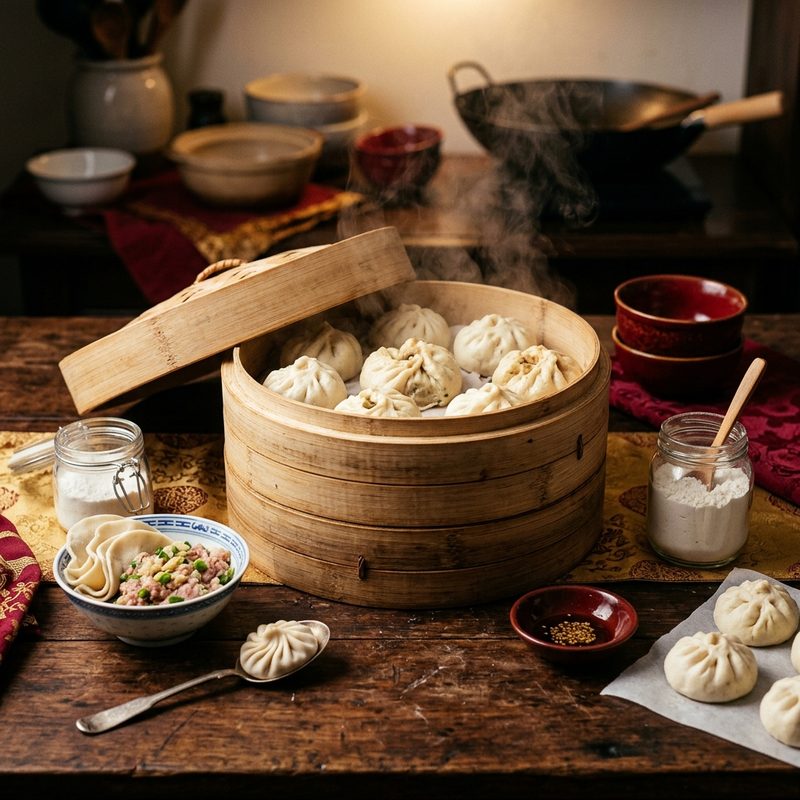
The Cantonese Bao Legacy
In Cantonese, these are known as Baozi (包子), which literally translates to 'wrapped thing' or 'little bag.' While we often associate them with the BBQ pork variety (Cha Siu Bao), the technique for the dough remains consistent. The goal is a snow-white, fluffy texture with a skin that is smooth and taut, never wrinkled or deflated.
The Hydration Ratio: 50% is Key
Commercial kitchens use high-pressure steamers, but at home, moisture control is your biggest enemy. Your dough hydration should be between 50% and 52%. For every 500g of Low-Protein or Bao flour, use exactly 250g to 260g of liquid (water or milk). A dough that is too wet will have weak cell walls that cannot support the weight of the air bubbles, leading to a structural collapse during the cooling phase.
Pleat Count and Structural Integrity
Pleating is not just for aesthetics; it provides vertical tension. Aim for 12 to 18 pleats per bun. As you gather the dough at the top, ensure you are creating a tight 'crown.' This tension helps the bun expand upward rather than outward, which prevents the dough from stretching too thin and eventually popping like a balloon when the heat is removed.
The Proofing Sweet Spot
Over-proofing is the most common cause of collapse. If the yeast produces too much gas, the gluten network becomes overstretched and brittle. Use the 'Finger Test': gently press the dough. If it springs back slowly and leaves a faint indentation, it is ready. If it deflates instantly, you have over-proofed it. Generally, a 30 to 45-minute second proof at room temperature is sufficient before they hit the steam.
Steamer Setup and the Cold-Start vs. Hot-Start
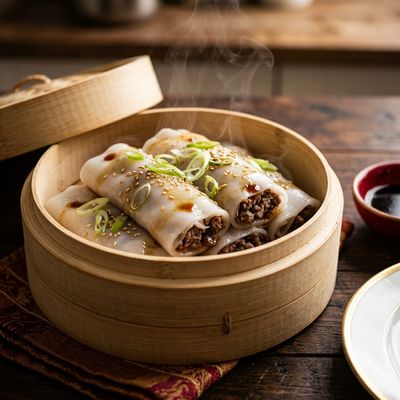
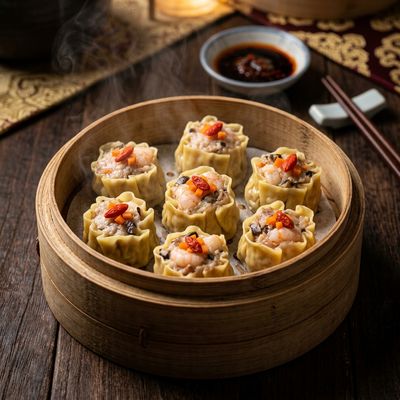
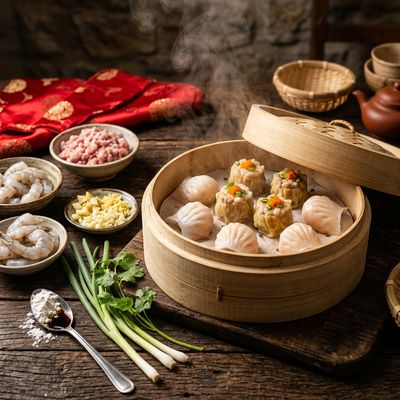
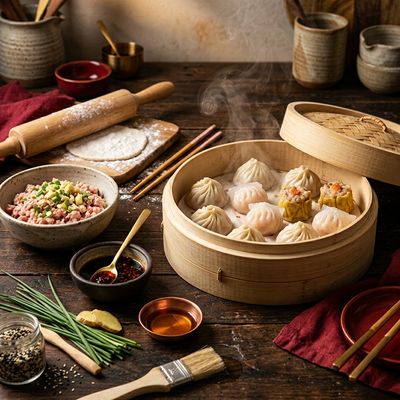
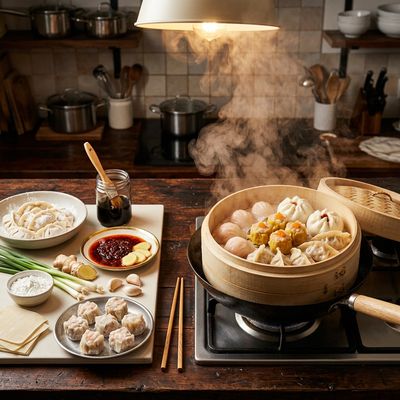
Using a bamboo steamer is essential for home cooks because the wood absorbs excess steam, preventing water droplets from falling onto the buns (which causes yellow spotting and shriveling). Start with room temperature water in your wok or pot. Place the steamer on top and bring the water to a boil on medium heat. This gradual temperature rise allows for a final 'oven spring' before the yeast is deactivated.
The Five-Minute Rule
The moment of greatest danger is when the heat is turned off. A sudden drop in temperature causes the hot air inside the bun to contract faster than the dough can solidify, leading to a total collapse. Once the 12-minute steaming cycle is done, turn off the heat but DO NOT open the lid. Wait exactly 5 minutes. Then, crack the lid slightly to let the steam out gradually before fully removing the buns.