Guide
Egg Tart Custard That Does Not Crack: Steamed Dim Sum Mastery
Master the art of the Cantonese Steamed Custard Bun (Nai Wong Bao). This guide focuses on technical precision—from exact dough hydration to pleat counts—ensuring a silky filling that never cracks and a fluffy, professional finish.
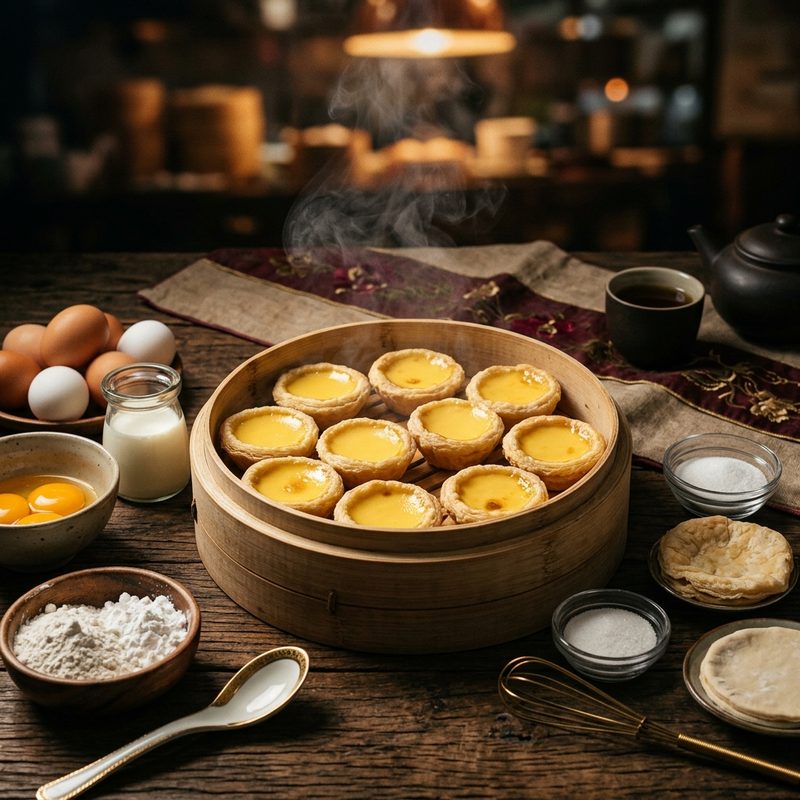
The Cantonese Classic: Nai Wong Bao
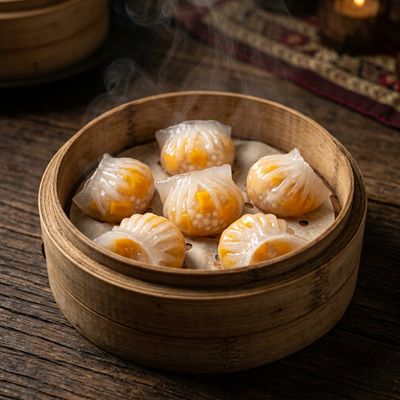
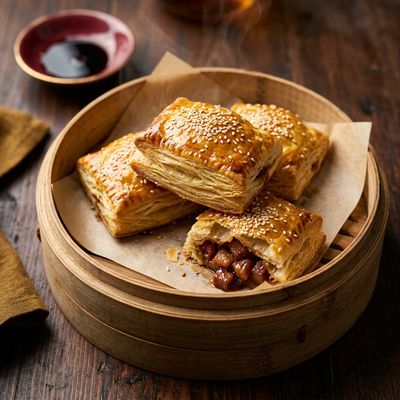
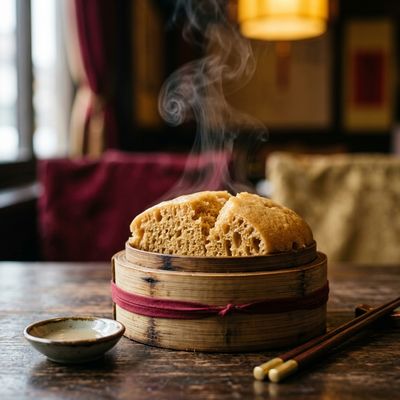
In the world of Cantonese dim sum, the 'Nai Wong Bao' (奶黃包) reigns supreme. The name literally translates to 'Milk Yellow Bun,' referring to the rich, golden egg custard tucked inside a pillowy steamed dough. Unlike baked egg tarts, which rely on oven temperature control, the steamed version requires mastery over moisture and pressure within a bamboo steamer to ensure the custard remains silky and the exterior remains smooth and uncracked.
The Custard Filling: Ensuring a Crack-Free Finish
A cracking custard is usually the result of overcooking or a lack of emulsification. To prevent this, create a custard base using 3 large egg yolks, 60g sugar, 30g evaporated milk, and 20g of custard powder (or cornstarch). The secret is to cook this mixture over a double boiler (bain-marie) while whisking constantly. Remove it from the heat the moment it thickens into a paste. Once cooled, roll the custard into 20g balls and chill them. Cold filling is essential; it resists over-expanding during the short steam time, which is the primary cause of internal cracking.
The Dough: Hydration and Resting
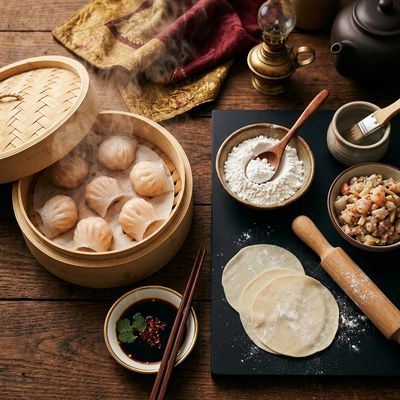
For a home kitchen, a 52% hydration level is the sweet spot for structural integrity and softness. Mix 250g of low-protein bao flour (or cake flour) with 130g of room temperature water, 3g of instant yeast, and 25g of sugar. Knead until the dough is 'triple smooth'—smooth surface, smooth bowl, and smooth hands. Rest the dough for precisely 15 minutes before shaping. This relaxation period allows the gluten to loosen just enough to accept pleats without snapping back.
The Technique: Pleating and Shaping
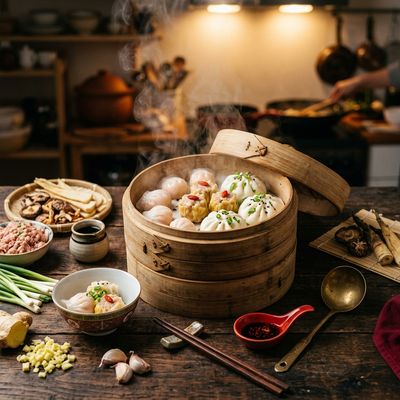
Divide the dough into 30g pieces. Flatten each into a circle with edges thinner than the center (this prevents a 'doughy' bottom). Place a chilled custard ball in the center. For a professional Nai Wong Bao, aim for 12 to 16 pleats. Pinch the dough at the top and rotate, pulling the skin upward as you pleat to create tension. If you prefer a smooth-top bun, ensure the seam at the bottom is pinched tightly and rolled against the counter to seal; an unsealed base will cause the custard to steam-vent and crack the top.
Steamer Setup and Timing
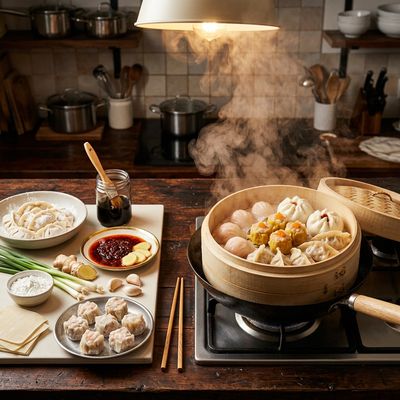
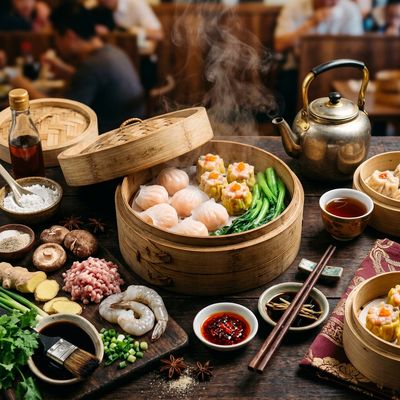
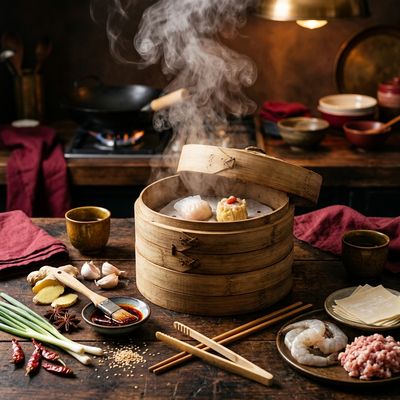
Use a bamboo steamer lined with perforated parchment paper. Bamboo is superior to metal because it absorbs excess steam, preventing water droplets from falling onto the buns and causing 'craters' or surface cracks. Boil water first, then reduce to a medium-low simmer. Place the buns in the steamer and cook for 8 minutes. Crucially, do not open the lid immediately. Turn off the heat and wait 3 minutes; this gradual pressure change prevents the buns from collapsing or the custard from cracking due to thermal shock.