Guide
How to Freeze and Reheat Dim Sum: Essential Home Kitchen Techniques
Unlock the secrets to professional-quality dim sum in your own kitchen using only a bamboo steamer. This guide focuses on the technical precision of dough hydration, pleating, and freezing methods to ensure your dumplings taste fresh every time.
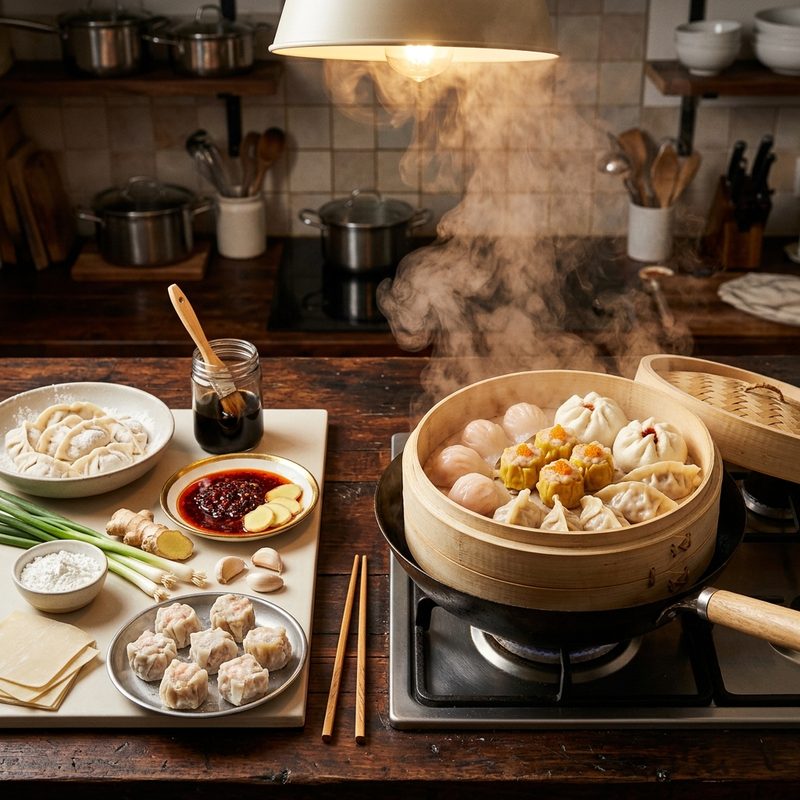
The Technical Foundation: Hydration and Resting
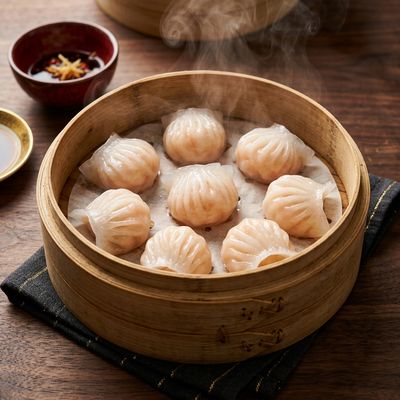
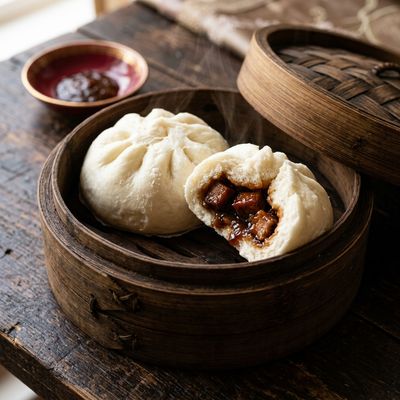
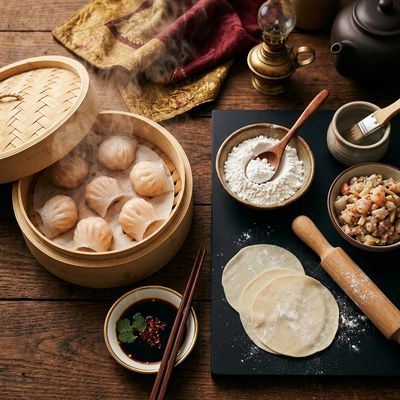
Success in dim sum starts with the dough, not the filling. For Har Gow (Ha Gaau, meaning 'shrimp dumpling'), the translucent skin requires a precise ratio: 100g wheat starch to 50g tapioca starch, hydrated with 160ml of rolling boiling water. You must pour the water in all at once and stir vigorously with chopsticks until a shaggy mass forms. For Char Siu Bao (steamed pork buns), aim for a 50-55% hydration level using low-protein bleached flour to achieve that signature snowy white, fluffy texture. Always rest your dough—20 minutes for starch-based doughs and 30-45 minutes for yeasted bun doughs—to allow moisture to distribute evenly and gluten to relax.
Pleating and Assembly for Stability
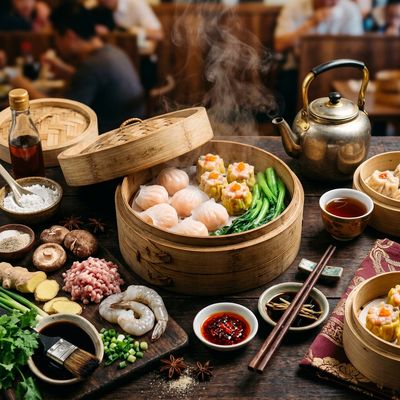
The structural integrity of a dim sum piece determines how well it survives the freezer. For Har Gow, aim for 9 to 13 pleats; fewer pleats result in a thick, gummy seal, while too many can cause the skin to tear during expansion. For Siu Mai (Siu Maai, meaning 'cook and sell'), ensure the wrapper is pressed firmly against the meat filling to eliminate air pockets, which cause freezer burn. When assembling, keep your workspace lightly oiled (for starch doughs) or floured (for flour doughs) to prevent sticking, but do not over-incorporate dry starch into the skins or they will become brittle when frozen.
The Flash Freezing Protocol
Never crowd your dim sum in a bag while fresh. To freeze, line a baking sheet with parchment paper and arrange the uncooked dumplings (Har Gow and Siu Mai) or steamed-then-cooled buns (Char Siu Bao) in a single layer, ensuring they do not touch. Place the tray in the freezer for 2 to 4 hours until the skins are rock hard. Only then should you transfer them into airtight freezer bags. This prevents the delicate pleats from flattening or sticking together, which is the primary cause of tearing during the reheating process.
Setting Up the Bamboo Steamer
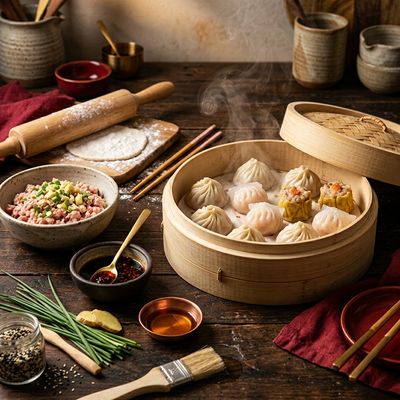
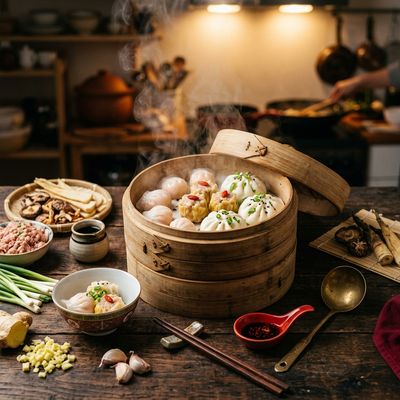
Avoid commercial metal steamers; a bamboo steamer is essential as it absorbs excess steam and prevents water from dripping onto the delicate skins. Line the steamer tiers with perforated parchment paper or cabbage leaves. Fill a wok with enough water so that the bottom rim of the steamer sits in the water, but the bottom slats remain dry. Bring the water to a rolling boil before placing the steamer tiers on top. Maintaining a constant, high-heat steam is the only way to ensure the starches gelatinize correctly without becoming mushy.
Reheating: Timing and Temperature
Do not thaw dim sum before reheating; steaming from frozen preserves the texture of the dough. For frozen Har Gow and Siu Mai, steam over high heat for 8 to 10 minutes. For frozen Char Siu Bao, steam for 10 to 12 minutes. You will know Har Gow is ready when the skin turns from opaque white to a crystal-clear translucency. Once finished, turn off the heat and lift the lid slightly for 30 seconds before removing the dumplings to prevent a sudden temperature shock from collapsing the dough structure.