Guide
How to Master Dumpling Pleating: A Scientific Guide to Dim Sum
Mastering the art of the dumpling pleat is a rite of passage for any home cook. This guide focuses on the technical precision of dough hydration, resting, and steaming mechanics to ensure your Cantonese Har Gow are restaurant-quality without the need for commercial equipment.
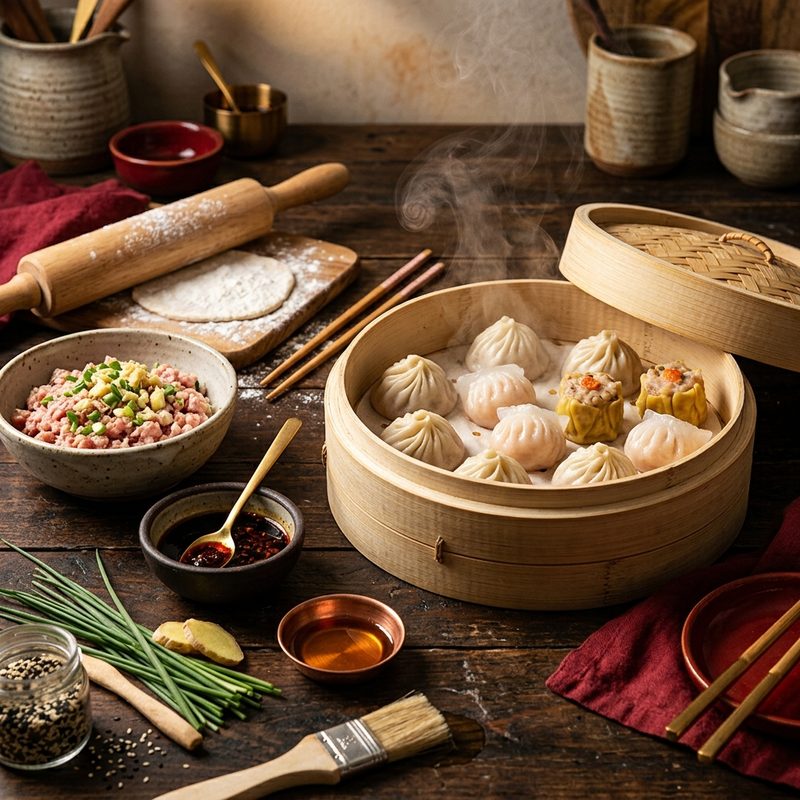
The Technical Foundation: Har Gow (Shrimp Dumpling)
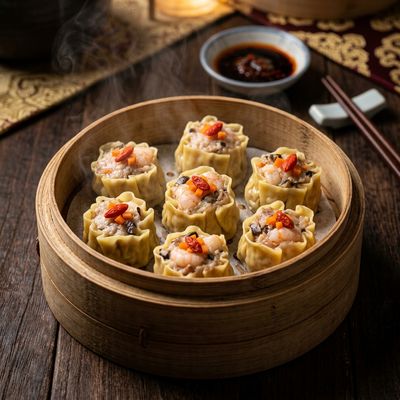
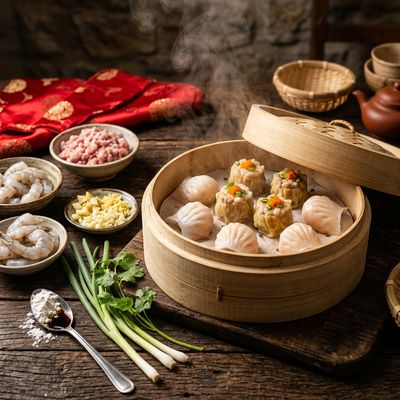
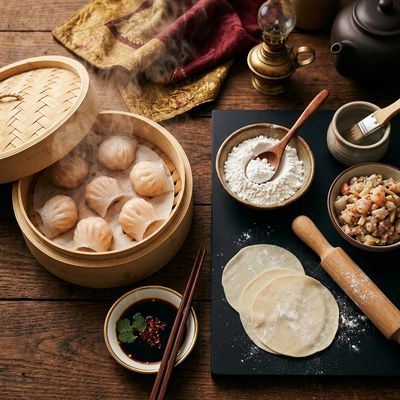
In Cantonese, this iconic dish is called Har Gow (蝦餃), which literally translates to 'Shrimp Dumpling.' While the filling is important, the soul of the Har Gow lies in its 'crystal' skin and the precision of its pleats. For a home kitchen, we focus on a wheat starch and tapioca starch dough. The hydration is the most common failure point: you must use 160ml of rolling boiling water for every 150g of starch mix (100g wheat starch, 50g tapioca). If the water is not at a true boil, the starch will not gelatinize, resulting in a brittle dough that snaps when pleated.
Dough Hydration and The Critical Rest
After mixing the boiling water into the starches with a spatula, add 1 teaspoon of lard or neutral oil. Knead the hot dough until smooth. The most vital step is the 20-minute rest. Wrap the dough tightly in plastic wrap. This allows the moisture to distribute evenly and the starches to fully hydrate. Without this rest, the dough will be tacky and stick to your fingers, making the intricate pleating impossible.
The Pleating Technique: Aiming for Ten
Professional dim sum chefs aim for 10 to 13 pleats per dumpling. For the home cook, start by rolling the dough into a thin circle using a small rolling pin or the flat side of a greased cleaver. Place a small amount of cold filling in the center. Fold the wrapper in half but do not seal it. Using your dominant hand, create small, overlapping folds (pleats) on only the front side of the wrapper, pressing each pleat against the flat back side. Keep the pleats tight and consistent; the 'crescent' shape is formed naturally as you move along the curve of the wrapper.
Steamer Setup and Precision Timing
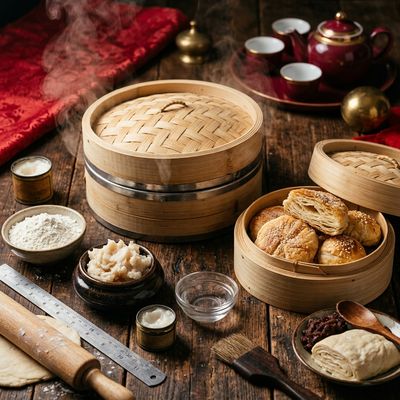
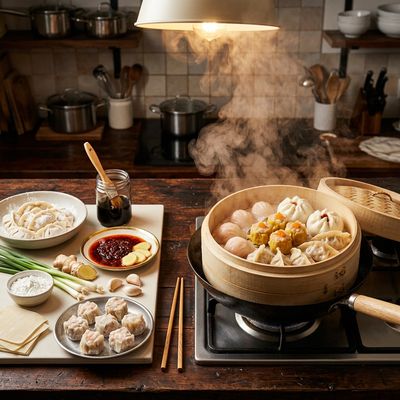
Do not place dumplings directly on the bamboo slats. Line your steamer with perforated parchment paper or lightly oiled napa cabbage leaves to prevent sticking. Bring your water to a vigorous boil before placing the steamer baskets on top. Har Gow require exactly 6 to 7 minutes of steaming. Oversteaming is the second most common failure; beyond 8 minutes, the delicate starch skins become mushy and lose their structural integrity.