Guide
How to Master Chinese Laminated Puff Pastry (Sou Pei) for Dim Sum
An expert guide to the dual-dough method of Chinese lamination, known as Sou Pei. We focus on the critical mechanics of hydration, resting, and thermal management to achieve professional dim sum results in a standard home kitchen.
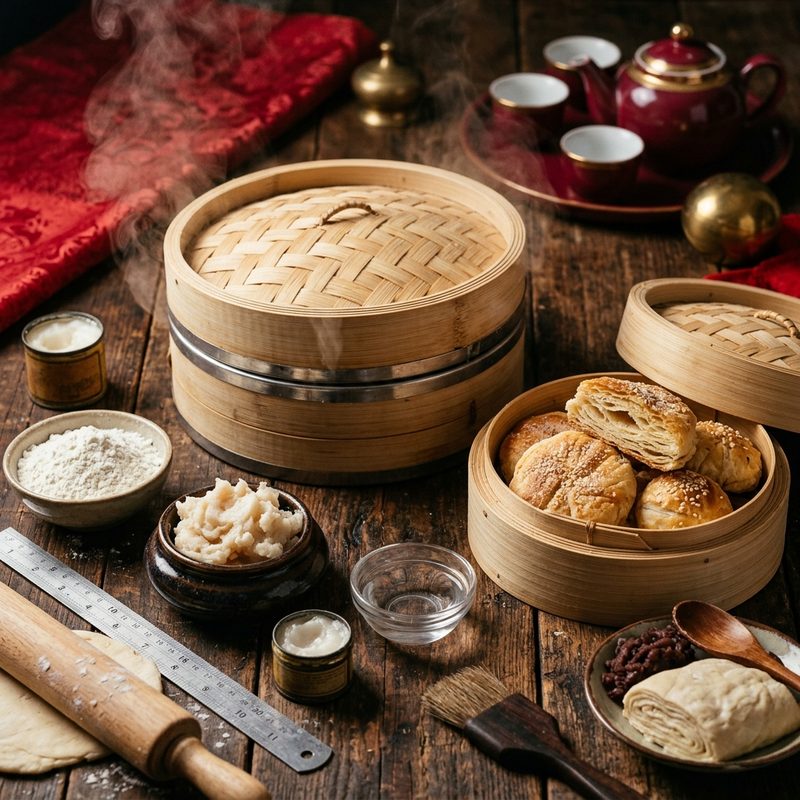
The Foundation: Sou Pei Explained
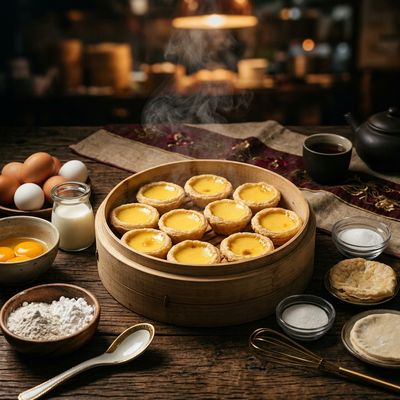
In Cantonese, this laminated pastry is called Sou Pei (酥皮), which literally translates to 'crispy skin.' Unlike Western puff pastry which laminates cold butter between layers of dough, Chinese puff pastry uses two distinct doughs: the 'Water Crust' (Huapi) and the 'Oil Heart' (Youpi). The Water Crust provides structure and elasticity, while the Oil Heart acts as the barrier that creates the distinct, flaky layers. Success in a home kitchen depends entirely on keeping these two doughs at the same consistency.
Precise Dough Hydration
For the Water Crust, aim for a hydration level of 50%. For a standard batch, use 200g of all-purpose flour, 100g of room temperature water, and 20g of lard or softened butter. Knead until the dough is completely smooth; this provides the gluten strength needed to hold the oil layers. For the Oil Heart, use 140g of cake flour and 70g of lard. Do not add water to the Oil Heart; simply cream the fat and flour together until it forms a paste that matches the pliability of the Water Crust.
The Lamination and Resting Cycle
Flatten the Water Crust and wrap it around the Oil Heart, sealing it like a large dumpling. Rest for 30 minutes. This is the most critical step—resting relaxes the gluten, preventing the dough from shrinking or tearing during the roll-out. Roll the dough into a rectangle and perform a 'single fold' (folding into thirds like a letter). Repeat this process twice, resting the dough in the refrigerator for 30 minutes between every single fold. Without these rests, the layers will merge into a greasy clump rather than distinct sheets.
Shaping and Pleat Count
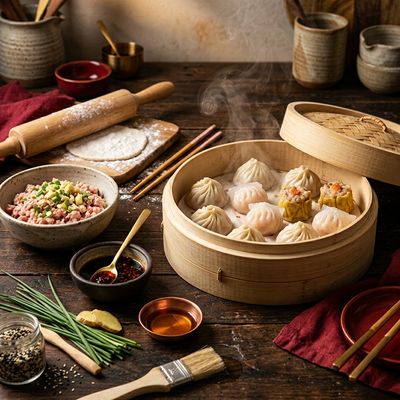
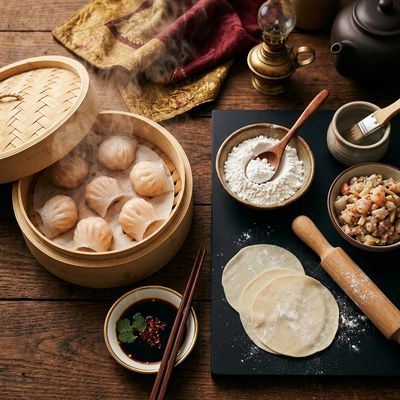
When ready to shape, roll the dough to a thickness of 3mm. For traditional dim sum puffs, aim for 18 to 24 pleats. To achieve this, use a sharp circular cutter to create discs. Place your filling in the center and use your thumb and forefinger to pinch and fold. The high pleat count isn't just for aesthetics; it creates a structural 'chimney' that allows steam to escape from the filling without rupturing the delicate pastry walls.
Steamer Setup and Timing
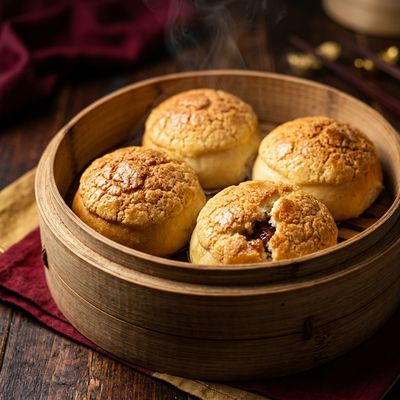
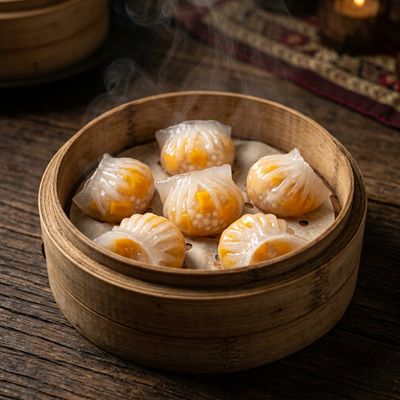
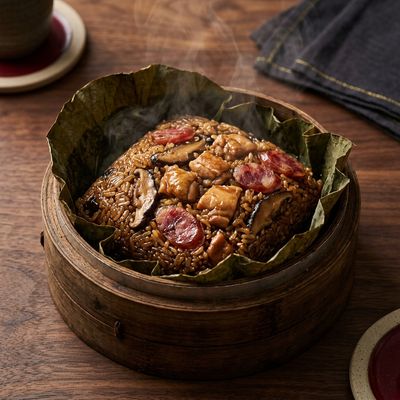
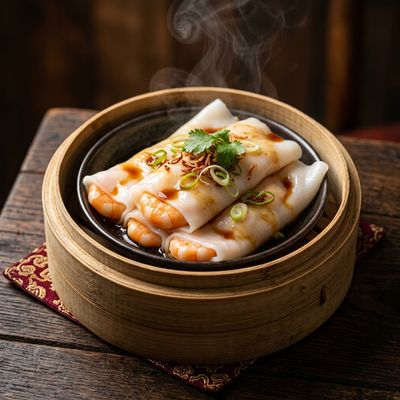
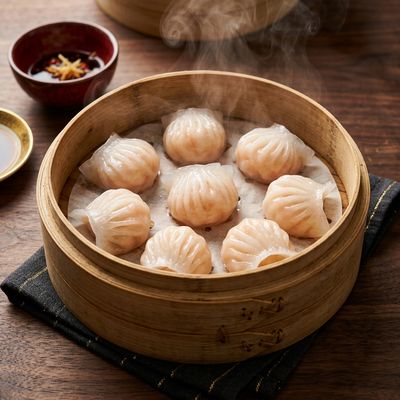
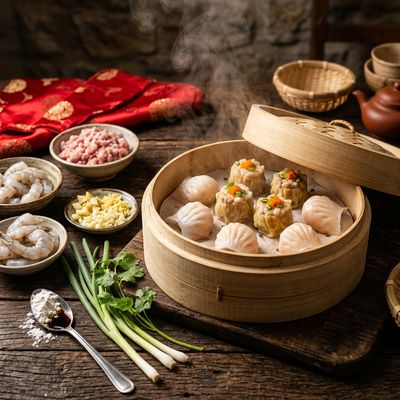
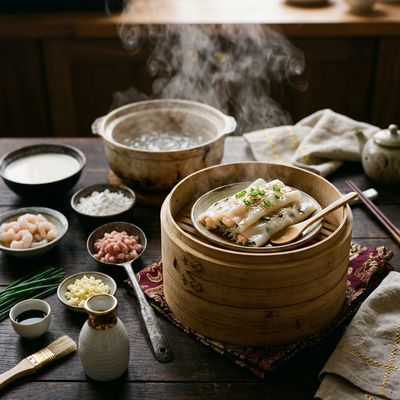
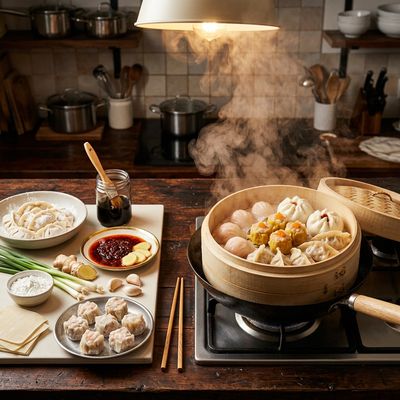
While many Sou Pei items are baked, several traditional variations are steamed or pan-fried. If using your bamboo steamer, line it with perforated parchment paper to allow steam circulation. Ensure the water is at a rolling boil before placing the steamer basket on top. Steam for exactly 12 minutes on high heat. Do not lift the lid during the process, as the sudden drop in temperature will cause the laminated layers to collapse rather than expand.
Freezing and Reheating Instructions
Sou Pei is best frozen raw. Place shaped, unsteamed pastries on a tray in the freezer until solid, then transfer to an airtight bag. They can be kept for up to 3 months. To reheat, steam directly from frozen for 15-18 minutes. If you want to restore the 'crispy' nature of the skin after steaming, place them in an air fryer or oven at 180°C (350°F) for 3-5 minutes until the exterior is dry and flaky.