Guide
Choosing a Wok for Steaming and Frying: Dim Sum Techniques
A deep dive into selecting the right carbon steel wok for multi-functional use and the technical secrets to achieving professional-grade translucent dim sum in a home kitchen.
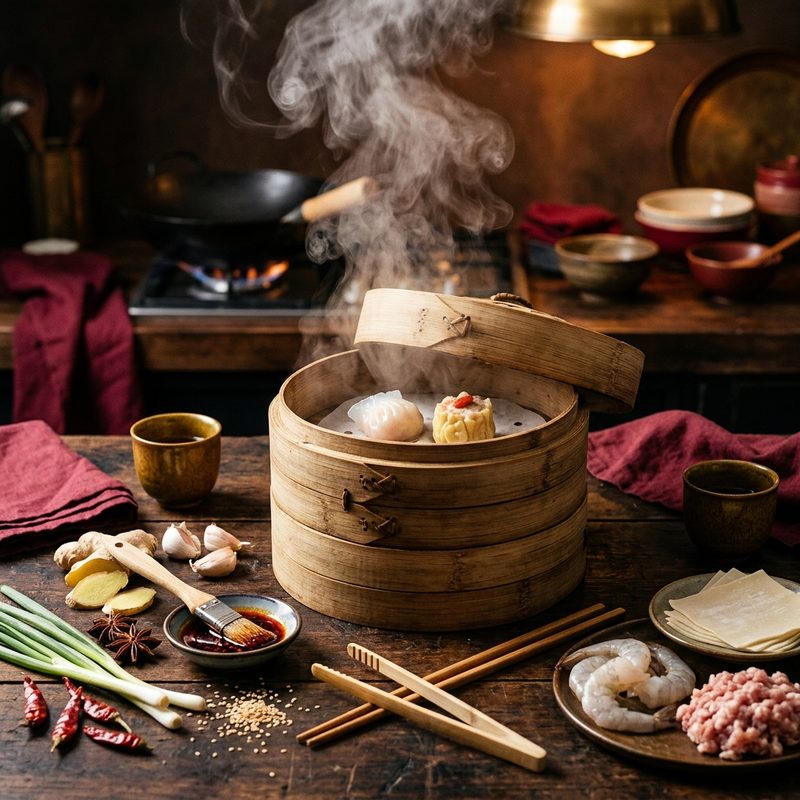
Selecting the Ultimate Vessel
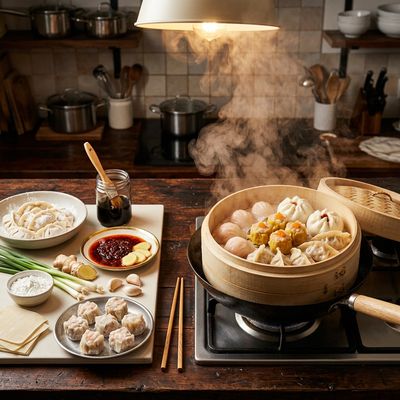
For home kitchens, a 14-inch carbon steel wok is the gold standard. Its sloped sides allow for high-heat frying, but more importantly, the wide rim provides the perfect seat for a 10-inch or 12-inch bamboo steamer. Avoid non-stick coatings as the high-heat dry environment of steaming can degrade the surface. Ensure your wok has a sturdy helper handle to support the weight of the water and steamer tiers. When steaming, you need a vessel that can hold at least two inches of water without the liquid touching the bottom of the bamboo slats.
Dough Hydration and Resting
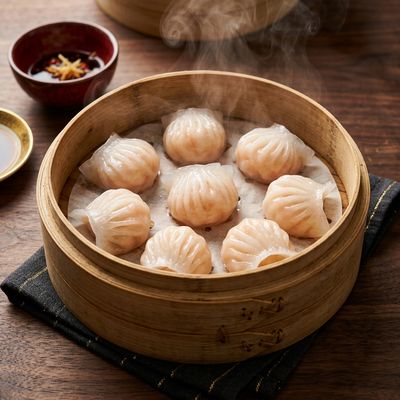
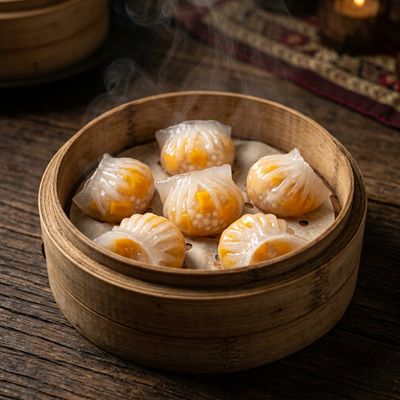
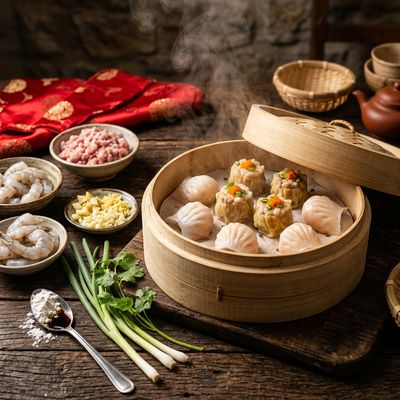
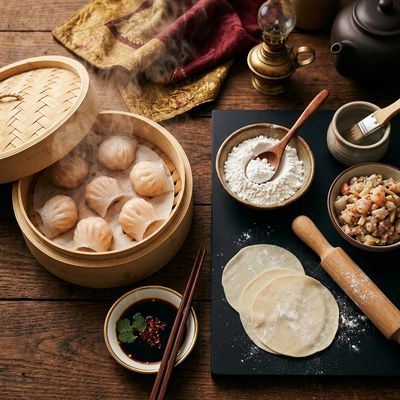
The biggest failure in home dim sum, specifically for Har Gow (蝦餃 - ‘Shrimp Dumpling’), is the translucent skin. Use a ratio of 100g wheat starch and 50g tapioca starch. The hydration must be exactly 200ml of rolling boiling water. The water must be bubbling when it hits the starch to partially cook it (gelatinization). Mix quickly with chopsticks, then cover and rest for 10 minutes. This resting period allows the starches to fully hydrate and prevents the dough from cracking during the pleating process.
The Art of the Pleat
Work with the dough while it is still warm. Divide into 15g balls. Use a greased cleaver blade or a small rolling pin to flatten them into 3.5-inch circles. For a professional finish, aim for 9 to 13 pleats per dumpling. The pleats should be tight and only on one side to create the signature bonnet shape. This shape allows the filling to expand during cooking without bursting the delicate skin.
Steamer Setup and Timing
Fill the wok with enough water to reach about one inch below the steamer base. Bring to a vigorous boil before placing the steamer on top. Line your bamboo tiers with perforated parchment paper or lightly oiled napa cabbage leaves. For Har Gow, steam for exactly 6 to 7 minutes on high heat. Over-steaming will make the skins mushy and cause them to lose their translucent sheen; under-steaming leaves them raw and opaque.
Freezing and Reheating
Most dim sum can be frozen raw. Place dumplings on a tray in a single layer until solid, then transfer to a bag. Do not thaw before cooking. Steam directly from frozen, adding 3 minutes to the original cooking time. Fried items like spring rolls should also be frozen raw and deep-fried straight from the freezer at 325°F (165°C) to ensure the center cooks before the skin burns.