Guide
How to Achieve Professional Dim Sum Results in a Home Kitchen
Dim Sum (點心), meaning 'to touch the heart,' is often intimidating for home cooks due to the precision required. This guide focuses on the technical pillars of success: dough hydration, resting, and the physics of the bamboo steamer to ensure professional results without commercial equipment.

The Hydration Equation: Dough Fundamentals
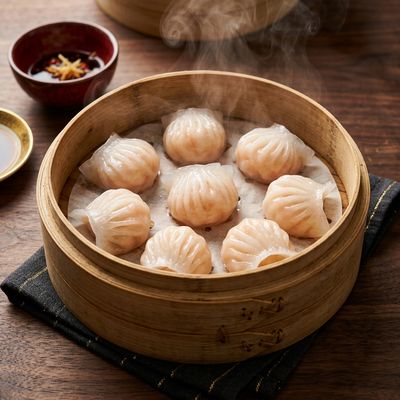
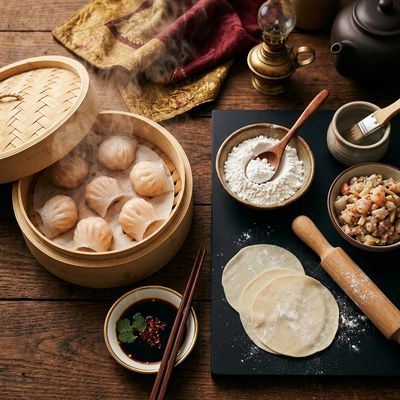
For crystal skins like Har Gow (蝦餃 - Shrimp Dumpling), hydration is binary. Use a ratio of 100g wheat starch to 50g tapioca starch. The water must be at a rolling boil (100°C) when it hits the starch to partially gelatinize it; if the water is merely 'hot,' the dough will crumble. For wheat-based skins like Siu Mai (燒賣), aim for 45-50% hydration. This lower moisture content prevents the pleats from sagging during the steaming process.
The Resting Phase
Never work with dough immediately after mixing. For wheat doughs, a 30-minute rest at room temperature under a damp cloth is mandatory to allow the gluten network to relax. For starch-based 'crystal' doughs, a 10-minute rest followed by a small addition of lard or neutral oil (1 teaspoon per 150g starch) ensures the translucent skin remains pliable enough to stretch without tearing.
The Art of the Pleat
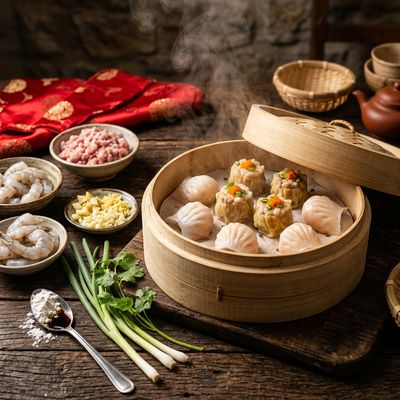
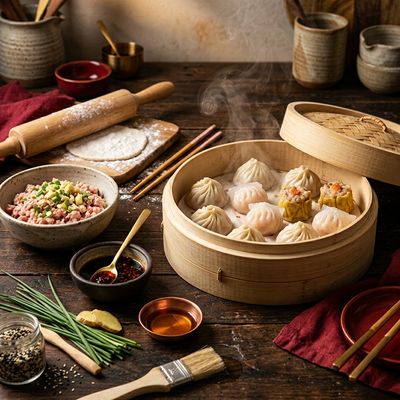
The hallmark of a professional Har Gow is the pleat count. Aim for 10 to 12 pleats per dumpling. Use a lightly greased Chinese cleaver or a small rolling pin to flatten dough balls into 1mm thick discs. Place the filling in the center, and fold only one side of the skin, crimping it against the flat back side. This creates the 'hump' shape that allows the dumpling to sit upright. For Siu Mai, the 'pleats' are actually folds created by squeezing the dough around the filling in the crook of your thumb and index finger.
The Bamboo Steamer Setup
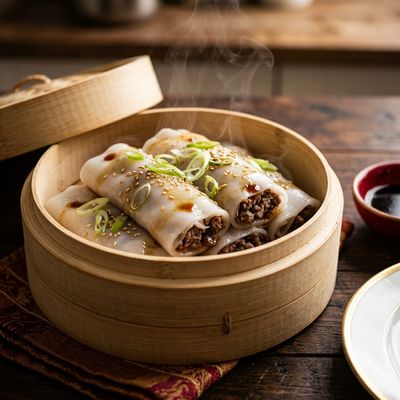
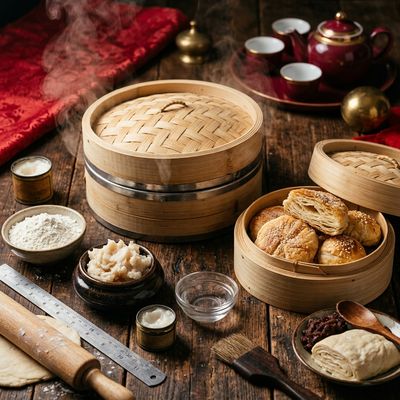
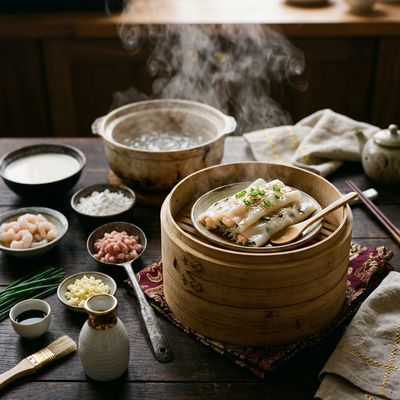
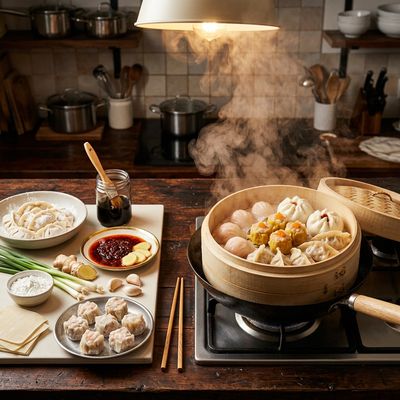
Place your bamboo steamer over a wok or wide pot with 2 inches of water. The water must not touch the bottom of the first rack. Line the steamer with perforated parchment paper or napa cabbage leaves to prevent sticking. Wait for a vigorous steam cloud to emerge before placing the baskets on top. Steam Har Gow and Siu Mai for exactly 6 to 8 minutes. Overcooking will cause the starch skins to become 'mushy' and the protein in the filling to tighten and release excess juice, ruining the wrapper.
The Essential Cantonese Dipping Sauces
Authentic dim sum is served with three primary components. 1. Tim See Yau (甜豉油 - Sweet Soy): Simmer 1/4 cup light soy sauce with 1 tablespoon sugar, a dash of sesame oil, and a slice of ginger until the sugar dissolves. 2. Gaai Mat (芥末 - Hot Mustard): Mix dry mustard powder with cold water into a thick paste; let it sit for 10 minutes to develop heat. 3. Lyu Yao (辣椒油 - Chili Oil): Infuse neutral oil with dried chili flakes and aromatics like star anise.
Freezing and Reheating
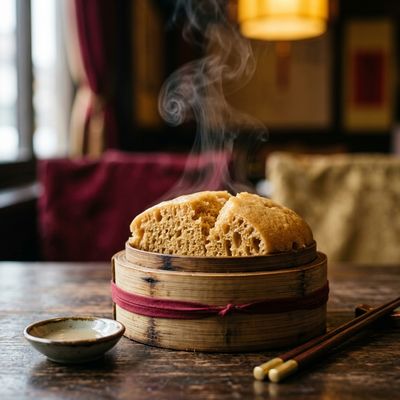
Most dim sum (Har Gow, Siu Mai, Char Siu Bao) can be frozen raw. Place them on a tray lined with parchment, ensuring they do not touch, and freeze until solid before transferring to a bag. To reheat, do not thaw. Place frozen dumplings directly into a pre-steamed bamboo rack and add 2-3 minutes to the original steaming time. For buns (Bao), 10 minutes from frozen will restore their fluffy texture.